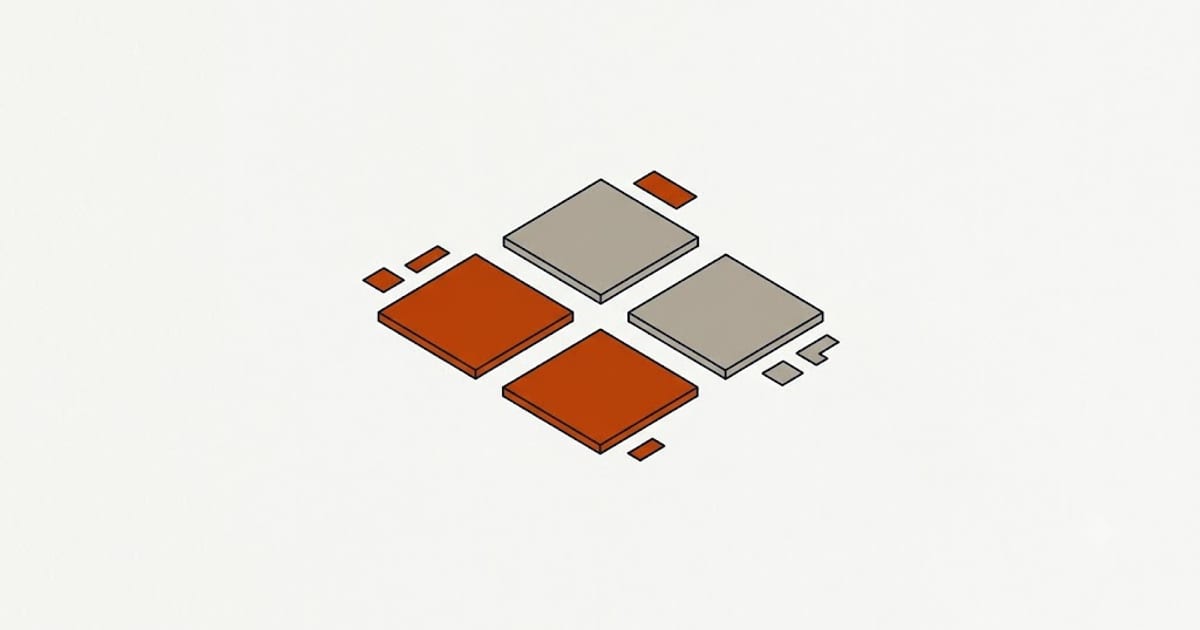
In a multi-zone ductless system, each head is an independent zone with its own setpoint, mode and fan speed. There is no central thermostat, and that is both the advantage and the source of most of the confusion.
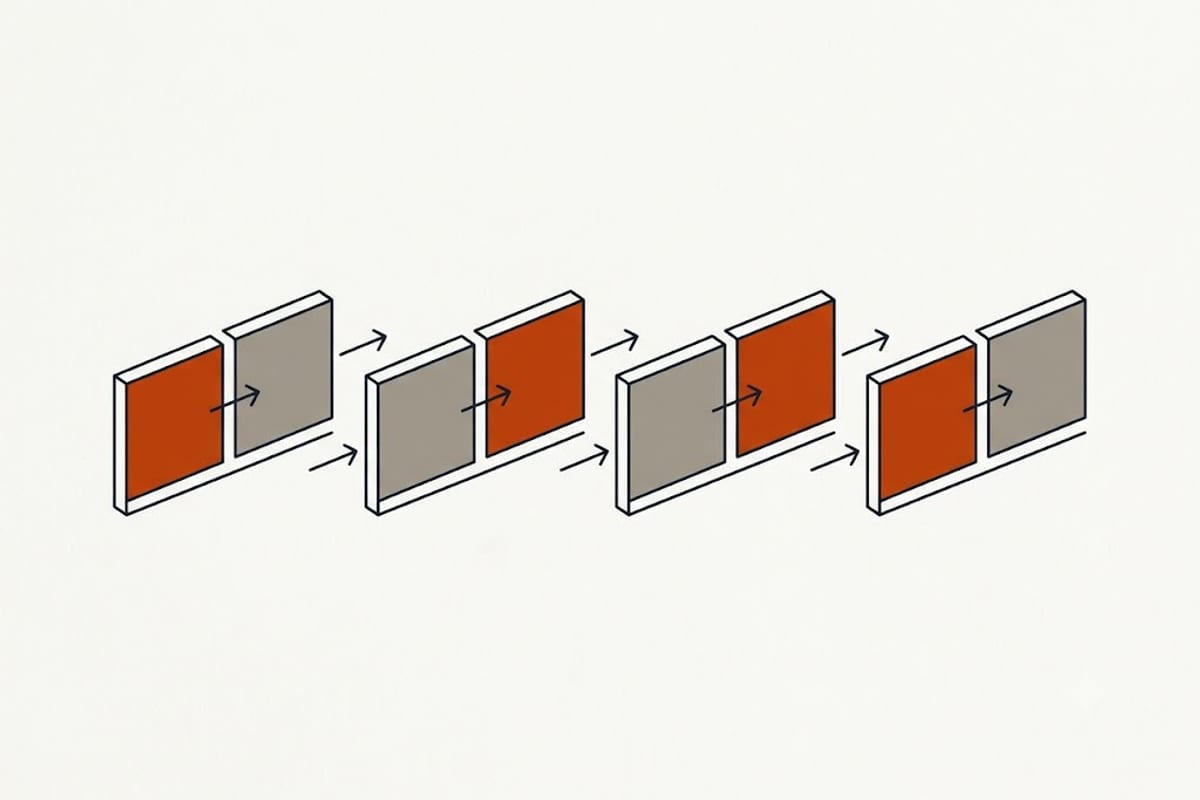
The control options
The infrared handset, supplied with each head. Cheap, easily lost, and it controls one head.
A wired wall controller, mounted where a thermostat would be. Looks and behaves like a thermostat, does not get lost, and often includes a temperature sensor at occupant level.
A wireless or app-based controller, brand-specific, giving control of every head from a phone and usually scheduling with it.
A central controller, offered by most manufacturers, that manages all zones from one wall-mounted panel.
Third-party thermostat integration, through an adapter, allowing a conventional smart thermostat to control a head. It works and it can lose access to some of the unit's own functions.
The sensor question
This is the setting that matters most and the one most often left wrong.
By default many heads read the temperature at the unit, high on the wall. Warm air collects near the ceiling, so in cooling the unit sees the room as warmer than it is and overcools; in heating it sees it warmer and undershoots.
Most manufacturers offer a follow-me or remote-sensor mode that uses the handset's own sensor, wherever it is sitting, or the wall controller's sensor at occupant level.
Enabling it is free and it frequently resolves a complaint that a room "never feels like the number on the display".
The caveat with a handset-based sensor: it works only while the handset is in the room and pointed usefully. A wired wall controller is the more reliable version of the same idea.
Mode conflicts
Most multi-zone systems cannot heat one room and cool another at the same time, because one compressor and one refrigerant circuit serve all the heads.
If one zone is set to heat and another to cool, one of them wins — usually the first to call, or a priority order set in the system. The other simply does not run, and the occupant sees a head that has stopped working.
Heat recovery systems that can do both simultaneously exist and are largely a commercial product. In a house, the practical answer is to keep all zones in the same mode, and manufacturers' auto modes can cause exactly this conflict when different rooms drift differently.
Scheduling
Per-room scheduling is where the ductless advantage is actually realised: bedrooms conditioned at night, an office during the day, guest rooms off.
That requires controllers capable of scheduling, which the basic handsets often are not. It is worth specifying at purchase rather than discovering afterwards.
What to specify
A wall controller rather than handsets alone, at least in the rooms that matter — bedrooms and the main living space.
Follow-me or remote sensing enabled, and confirmed at commissioning.
Whether the system supports simultaneous heating and cooling, and if not, what happens when zones conflict.
Scheduling capability, and whether it needs a network connection to work.
The setting to check on an existing system
Open the manual, find the sensor selection, and confirm which sensor the head is using.
It takes five minutes and it is the most likely explanation for a room that holds a temperature nobody in it recognises.
Setbacks behave differently here
Deep setbacks make sense with a fast, oversized furnace that can recover quickly. An inverter heat pump is at its most efficient running steadily at low output, and a deep setback forces it to recover at high output and low efficiency.
For ductless heating, a shallow setback — two or three degrees — usually costs less than a deep one, which is the opposite of the received advice for a gas furnace.
Rooms that are genuinely unoccupied are a different case: turning a guest room off entirely is straightforwardly worth it.