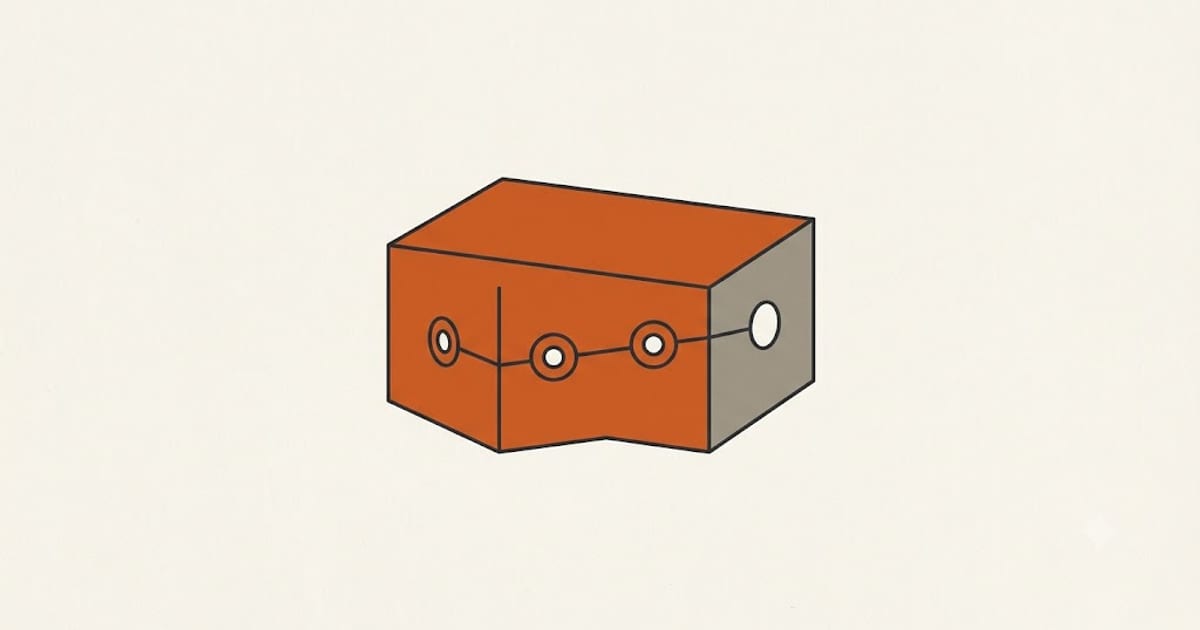
Households frequently start with one or two rooms and want another later — a converted attic, a new office, a room that turned out to need it.
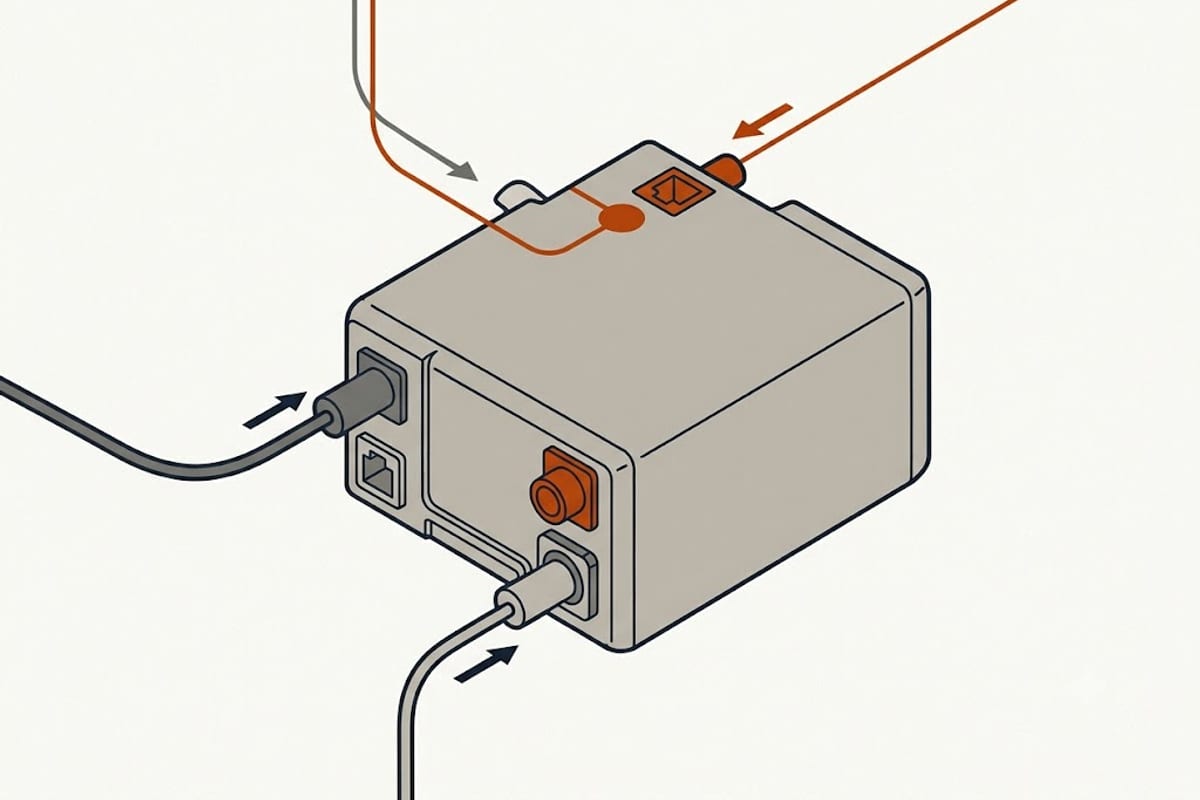
What determines the answer
Is there a spare port? Multi-zone condensers have a fixed number of connection points. Three heads on a four-port unit means one is free; three heads on a three-port unit means none is.
Does the connection ratio still work? Adding a head increases the total connected capacity. The manufacturer publishes a maximum as a percentage of the condenser rating, and the new total has to stay within it.
Is there line length left? There is a maximum total line length for the system and a maximum for each branch. A long existing run to a distant head may have used much of the allowance.
Is the condenser large enough for the new simultaneous peak? Adding a room adds load, and the outdoor unit has to meet the peak of everything running together.
Single-zone systems cannot be extended
A single-zone condenser is matched to one head. There is no port to add to.
Adding a room to a single-zone installation means a second complete system, which is not a failure of the equipment — separate systems have their own advantages — but it does mean a second outdoor unit and another electrical circuit.
The decision that gets made too early
Whether a system can be extended is settled when the original condenser is chosen, and that is usually before anyone has thought about it.
A four-port unit instead of a three-port costs modestly more at installation. Buying the smaller one and wanting a fourth head two years later costs an entire second system.
Where a conversion, an addition or a change of use is even plausible within a few years, the spare port is cheap insurance.
What the work involves
Running a new line set from the condenser to the new head, with its condensate and control cable. Mounting the head. Adding a wall penetration.
The system has to be pumped down or recovered so the new branch can be connected, then the whole circuit evacuated again and recharged, including any additional charge for the extra line length.
That last part is why adding a head is not a small job even when a port is free — the whole system is opened, and the same evacuation discipline that mattered originally matters again.
The alternative
A separate single-zone system for the new room.
It costs more in equipment and it avoids opening the existing system, it gives the new room its own full modulation range, and it does not consume the multi-zone unit's capacity.
Where the new room is far from the existing condenser, or where the connection ratio is already at its limit, this is usually the better answer.
What to ask before the original installation
How many ports the proposed condenser has, and how many will be used. The maximum connection ratio and where the design sits within it. The total line length allowance and how much the design uses.
Three questions at quote stage, and they decide what is possible for the next fifteen years.
Documenting it
Keep the model numbers of the condenser and every head, the line lengths, and the commissioning record.
An installer asked to add a head to a system three years later needs all of that, and its absence is the most common reason the answer comes back as "we'd have to look at it."
Mixing brands
Heads and condensers are matched within a manufacturer's range and are not interchangeable between brands.
A head added later must come from the same manufacturer and from a compatible series, and on some ranges a model discontinued in the intervening years has a successor that is compatible while others are not.
That is worth confirming before assuming a spare port guarantees the option.