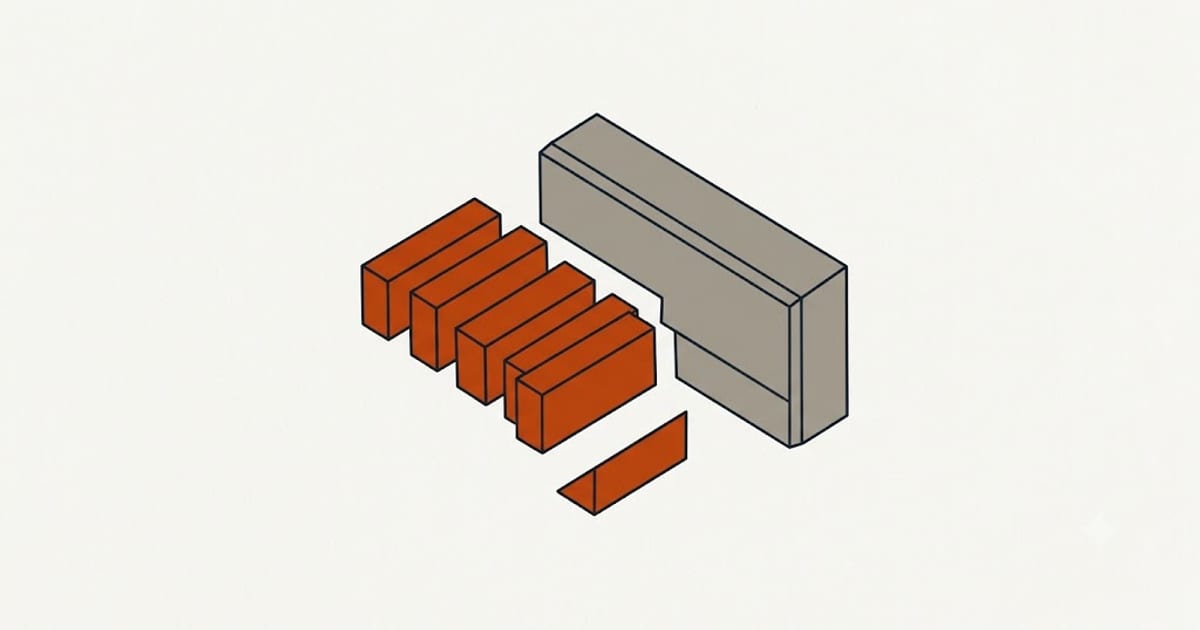
The most common design error in multi-zone ductless installations is adding the head capacities together and choosing an outdoor unit of that total.
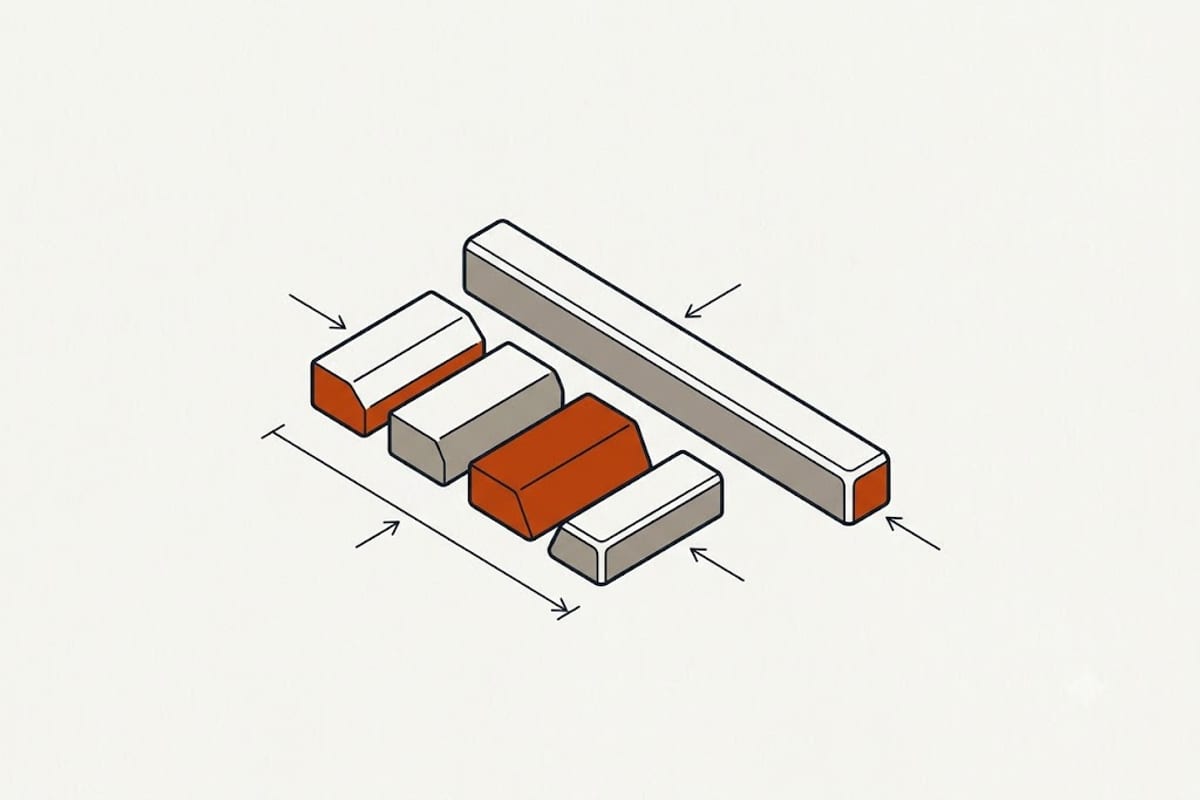
Why the sum is wrong
Rooms do not reach their peak load at the same moment.
The east bedroom peaks in the morning, the west living room in the late afternoon, and the north rooms never peak at all. Unoccupied rooms contribute nothing.
The house's actual simultaneous peak is well below the sum of its room peaks, and that is what the condenser has to meet.
Connection ratio
Manufacturers publish an allowable connection ratio — the total nominal capacity of connected indoor units as a percentage of the outdoor unit's rating.
Ratios above 100% are normal and intended, commonly up to around 130% and higher on some systems. A 36,000 BTU condenser serving 48,000 BTU of heads is a designed configuration rather than an underspecified one.
Working at the top of the range is appropriate where the rooms are used at different times; working nearer 100% suits a house where everything is conditioned simultaneously.
What goes wrong with an oversized condenser
The outdoor unit has a minimum output, and it cannot go below it.
If the condenser is sized for the sum of four heads and only one small bedroom is calling on a mild evening, the required output can fall below that floor. The system then cycles, or holds the head warmer than intended.
The symptoms are the ones people describe as a multi-zone system "not working properly": rooms that never quite settle, poor dehumidification, and a compressor that starts and stops all evening.
The mixed-size trap
The problem is worst where the heads are very different sizes.
A 24,000 BTU head for an open-plan living space plus a 6,000 BTU head for a small bedroom, on one condenser, is a hard combination: the outdoor unit has to serve both the largest demand and the smallest, and the smallest is often below its floor.
Where the sizes are that far apart, a separate single-zone system for one of them is usually the better design.
What to ask a contractor
The room-by-room load figures, not just the head sizes.
The connection ratio used, and the manufacturer's allowable maximum for that condenser.
The condenser's minimum output, and what happens when only the smallest head is calling.
Whether the peaks were assumed simultaneous, which is the assumption behind the simple sum.
The unheated-room case
A common configuration has heads in rooms that are conditioned only occasionally — a guest room, a rarely used office.
Those rooms should be in the connection total but they contribute almost nothing to the simultaneous peak, which is a strong argument for a higher connection ratio rather than a larger condenser.
Sizing the heads themselves
None of this removes the need to size each head to its own room load.
A head that is too large for its room has its own humidity problem regardless of what the condenser does, and two errors in the same direction compound.
The correct sequence is a room load for each space, head selection from those, then a condenser chosen against the simultaneous peak using the connection ratio — not addition.
Leaving a port for later
Multi-zone condensers come with a fixed number of ports, and an unused port is capacity available for a head added later.
Buying a four-port unit for three heads costs a little more now and makes a fourth room straightforward afterwards. Buying a three-port unit and then wanting a fourth head means a second outdoor unit or a replacement.
Where an addition, a converted attic or a garage conversion is anticipated within a few years, the spare port is usually worth its cost.
Efficiency ratings on multi-zone systems
Multi-zone systems generally carry lower published SEER2 and HSPF2 figures than single-zone equipment of the same brand and tier.
That is partly the physics of serving several heads and partly the way the tests are conducted. It matters when a rebate programme sets a threshold, because a multi-zone system may fall below a level its single-zone equivalent clears.
Check the certified rating for the exact combination proposed, not the brand's headline figure.