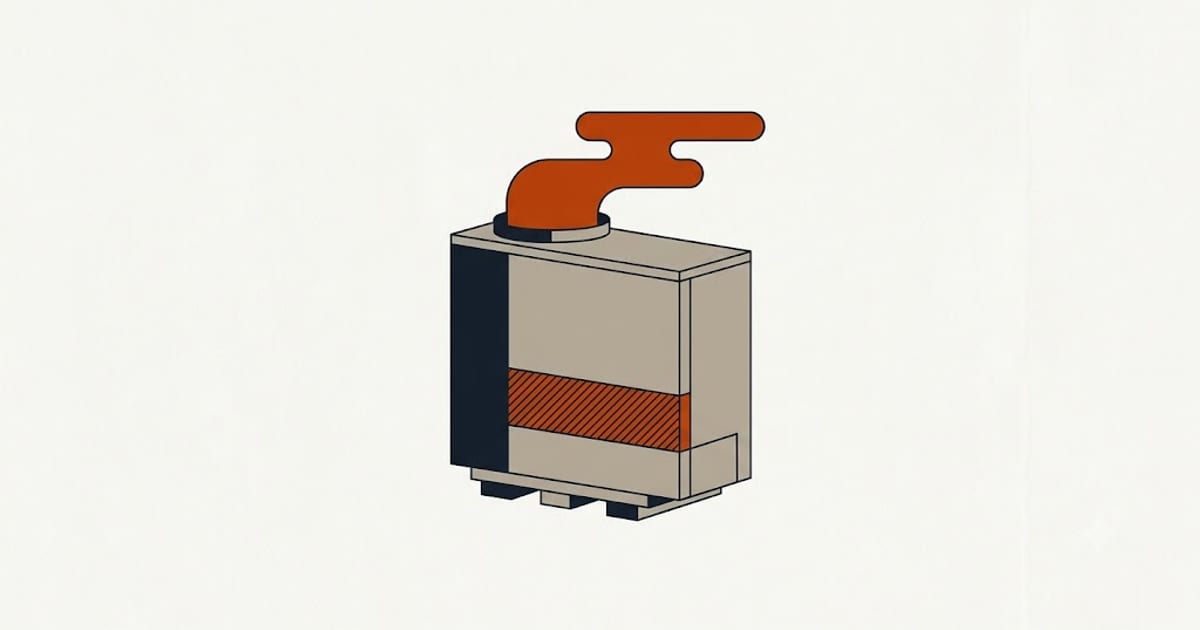
An air-source heat pump extracts heat from outdoor air. Below about 40°F, moisture in that air freezes onto the outdoor coil, and a coil covered in ice cannot absorb heat.
So the machine melts it off, and the only heat available is the heat inside your house. It reverses, becoming an air conditioner for a few minutes, and pumps that heat outdoors onto its own coil.
While that happens, the indoor head blows cool air — or, on a well-behaved unit, stops the indoor fan entirely.
What a normal defrost looks like
- Lasts 5 to 15 minutes, not an hour.
- Happens every 30 to 90 minutes in cold damp weather; rarely in dry cold.
- The outdoor unit's fan stops while the compressor keeps running — this is the clearest sign.
- Steam rises off the outdoor coil as the ice melts. It looks alarming and is completely normal.
- A whoosh or clunk when the reversing valve changes over.
- Then it returns to heating and the room recovers.
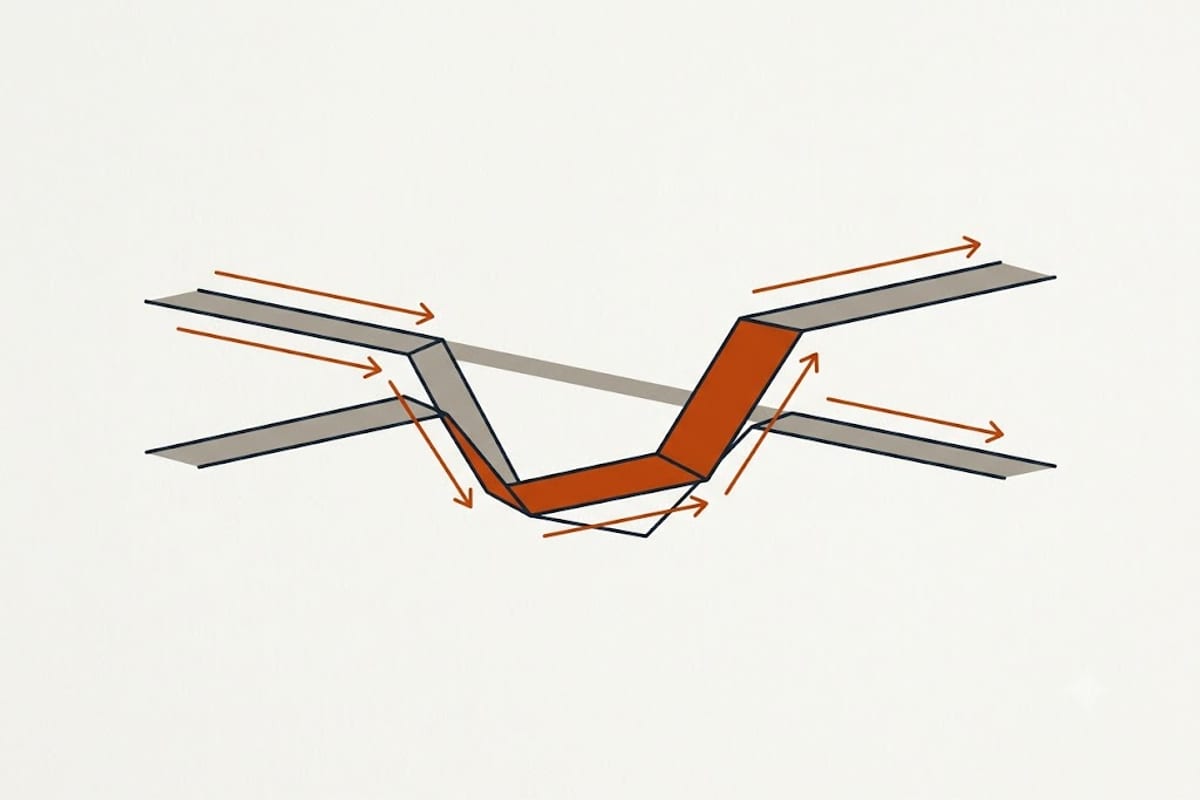
If that is what you are seeing, nothing is wrong. The temptation is to switch the unit off during it, which only means the ice stays on the coil.
When it is not defrost
It never goes back to heating. A stuck reversing valve leaves the system in cooling permanently. Diagnostic: the outdoor unit gets warm and the house gets colder.
Defrost every 20 minutes, all the time. Something is making the coil freeze faster than it should — low refrigerant charge, a blocked outdoor coil, or a fan that is not running.
The outdoor unit is buried in ice, not just frosted. A solid block means defrost is not completing. Common causes: the base pan drain is blocked so meltwater refreezes, or the unit sits too low and is in snow.
Air from the head is cool but the outdoor unit looks normal and its fan is spinning. Not defrost. Check the mode — a remote knocked into "cool" or "dry" does this, and it is more common than any fault.
Cold-climate units are a different machine
Standard heat pumps lose capacity steeply as it gets colder and are often near useless below about 20°F. Cold-climate models — usually badged as hyper-heat, or specified with a capacity table down to −13°F — hold a much larger share of their rated output.
The number that matters is capacity at your design temperature, not the nameplate. A head rated 12,000 BTU may deliver 12,000 at 47°F and 7,000 at 5°F. In a heating-dominated climate you size on that lower figure, and buying on the cooling rating is how a system ends up short exactly when it is needed.
Three installation details that cause repeat defrost trouble
Mounting height. The outdoor unit needs to sit above the deepest expected snow, on a stand or wall bracket. A unit at ground level in a snow region ends up with its coil blocked and its base pan flooded.
Base pan drainage. Meltwater has to get away. If it pools and refreezes, the next defrost has to melt through its own previous output, and the ice accumulates cycle by cycle. Some units offer a base pan heater for exactly this.
Where the discharge goes. Do not point it at a walkway. Defrost meltwater plus a cold surface makes ice where people walk, and that is a real hazard rather than an inconvenience.
The reasonable expectation
In a cold climate a heat pump will defrost several times on a damp winter day, and each time the room will cool a degree or two. That is the trade for heating at two to three times the efficiency of resistance heat.
If it bothers you, the fix is not a different heat pump — it is a small amount of backup heat that covers the defrost minutes, which is how most well-designed cold-climate installations are set up anyway.