Electric resistance heating — baseboard, wall heaters, an electric furnace — converts electricity to heat at 100%. That sounds efficient and it is the floor rather than the ceiling.
The arithmetic
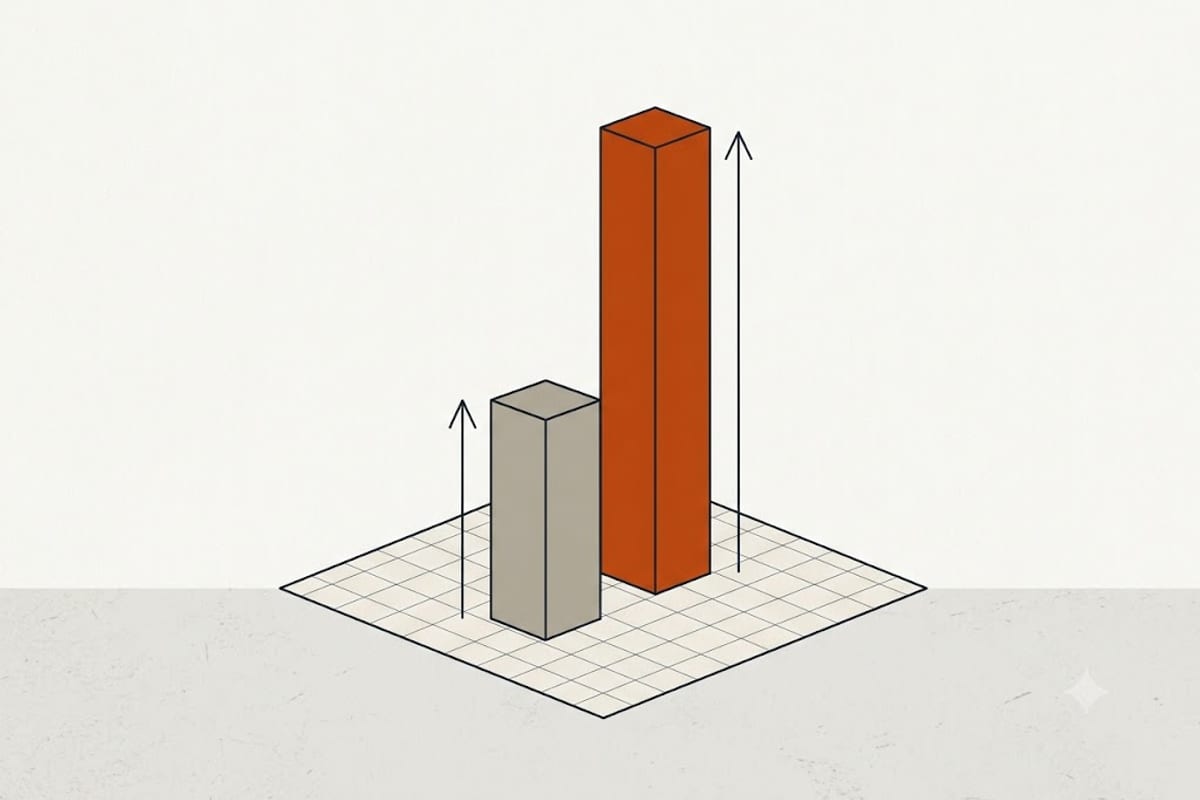
Resistance heat has a COP of 1: one unit of electricity in, one unit of heat out.
A heat pump does not create heat, it moves it, and it moves more than it consumes. A seasonal COP of 2.5 to 3.5 in a mild or moderate climate means two and a half to three and a half units of heat per unit of electricity.
The same house, the same electricity price, and a heating bill that falls to roughly a third of what it was.
Why this comparison is different from the others
Comparisons against gas or propane depend on local fuel prices, and the answer changes by region and by year.
This comparison does not. Both systems run on the same electricity at the same tariff, so the ratio of their running costs is simply the ratio of their COPs, and the heat pump wins everywhere.
Where the savings are largest
Cold climates with long heating seasons, where the absolute number of kilowatt-hours is largest.
Houses currently heated entirely by baseboard, where every room contributes.
Areas with high electricity prices, since the saving is a percentage of a bigger bill.
What tempers it in a very cold climate
COP falls as it gets colder. At the coldest temperatures a heat pump may be operating at a COP of 1.5 or below, where the advantage narrows.
That is why cold-climate rated equipment matters, and why the extended capacity and COP tables are the documents to look at rather than the seasonal figure.
Even so, the hours spent at extreme cold are a small fraction of the season, and most of the heating happens in conditions where the heat pump is at its best.
The practical arrangement
Keep the baseboards. This is the point that gets missed.
The existing resistance heaters become the backup below the heat pump's balance point, and in rooms where a head is not practical — bathrooms, small enclosed spaces, a hallway.
They cost nothing to keep, they are already wired, and they remove the need to size the ductless system for the coldest hours of the year.
Cooling comes free
A house heated by baseboard has no cooling system, or has window units.
The ductless installation provides both. That is not a saving as such, and it is a substantial improvement in what the house offers, and it is worth counting when weighing the cost.
What it costs to do
Ductless equipment plus installation, per head, with the number of heads decided by the doors rather than by the floor area — living spaces and bedrooms with heads, small enclosed rooms left on their existing heaters.
Rebates are generally strong for this conversion specifically, because utilities want the load reduction. Cold-climate rated models frequently qualify for the largest amounts, and some programmes target households currently on electric resistance heat directly.
The electrical side
The house already has capacity for resistance heating, which is a large load. Replacing part of it with heat pumps reduces the peak rather than increasing it.
That makes this the one heat pump conversion that rarely needs a service upgrade, which removes the cost that most often surprises people in the other direction.
The comfort difference
Baseboard heat is quiet, even and slow, and many households like it. A ductless head moves air, which some people find draughty in heating.
Floor-mounted heads address this directly. They sit low on the wall where the baseboard was, deliver warm air at floor level, and heat a room far more evenly than a unit near the ceiling pushing warm air downward.
In a house being converted from baseboard, they are usually the right head type and they are rarely proposed unless asked for.