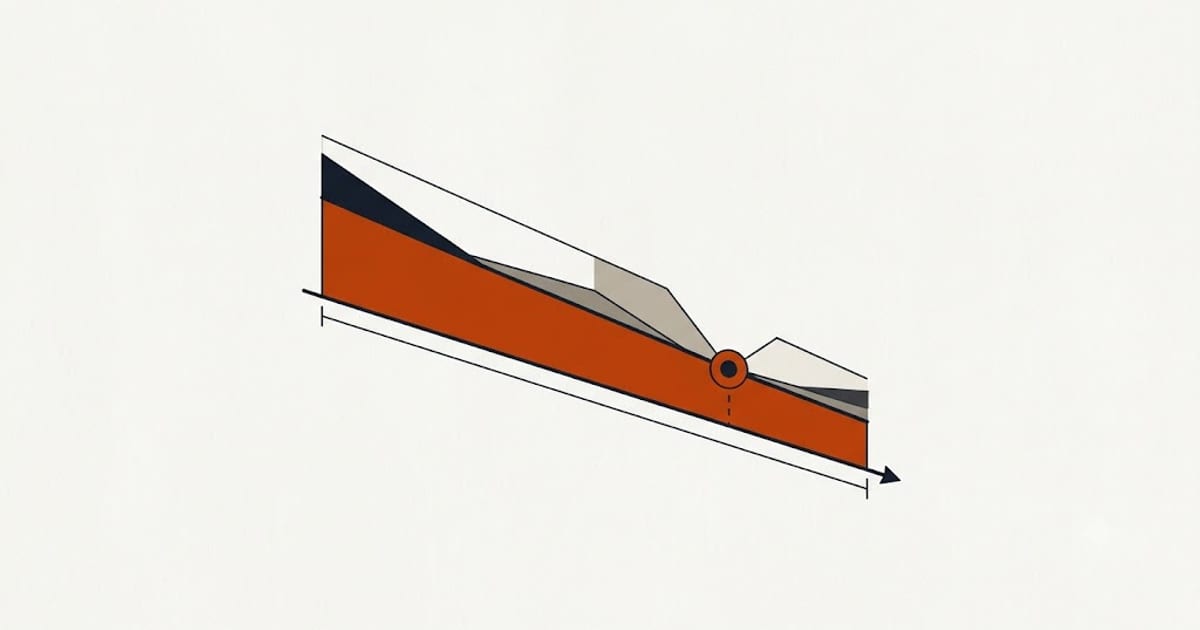
Ductless heat pumps are now a mainstream heating solution in cold climates, and the reason is a change in the equipment rather than a change in the marketing.
Why capacity falls
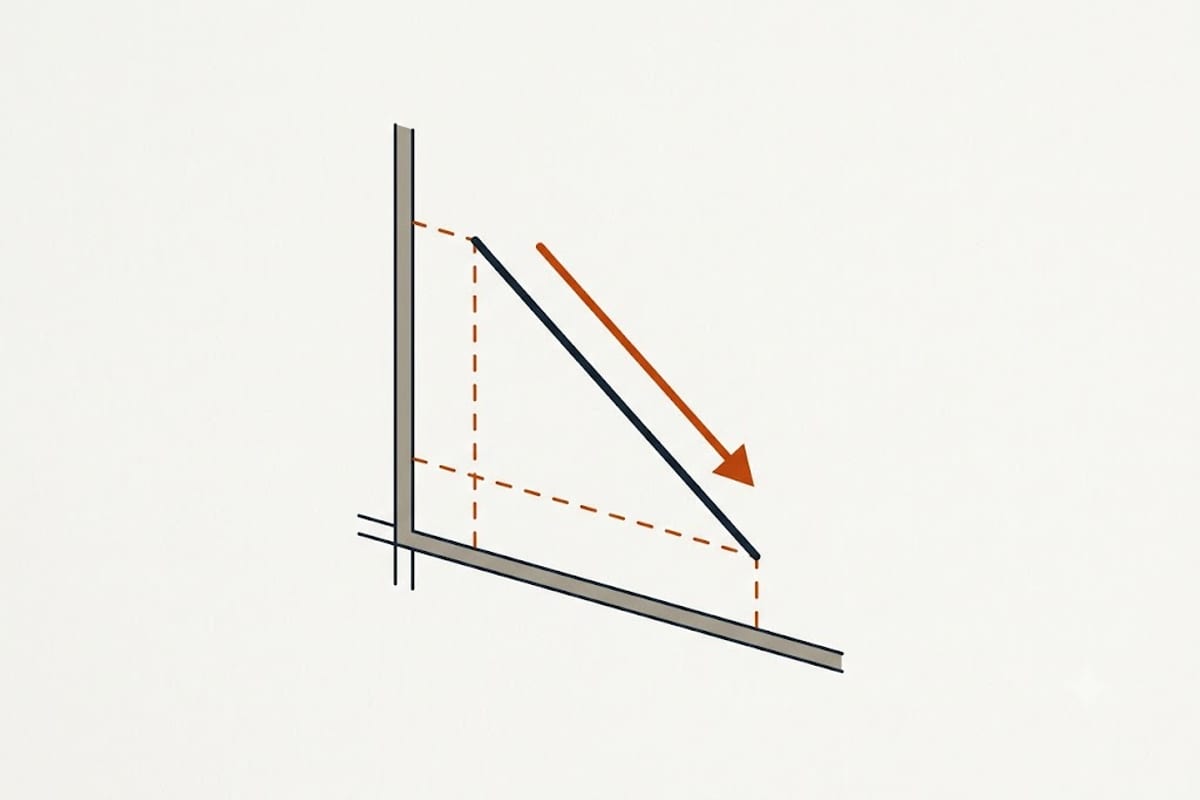
A heat pump moves heat from outdoor air. As that air gets colder there is less heat available per unit of air moved, and the refrigerant cycle has to work across a larger temperature difference.
Output falls as it gets colder — at the same time as the house needs more.
What the nameplate says
The rated heating capacity is measured at 47°F outdoor. That number describes a mild autumn day.
The figure that matters in January is the capacity at 5°F, or at whatever the local 99% design temperature is, and it is published in the manufacturer's extended capacity table rather than on the box.
What cold-climate equipment does differently
Variable-speed inverter compressors that can spin faster than nominal at low temperature, maintaining output where a fixed-speed compressor simply produces less.
Vapour injection on some designs, which raises the amount of refrigerant circulated at low temperature.
Larger outdoor coils and improved defrost control.
The result is equipment that holds a large share — on many models the full rating, and on some more than the rating — of its nominal capacity at 5°F, and continues operating well below.
Reading the table
Find the row for the outdoor design temperature and the column for the indoor condition. That is the capacity available.
Two other columns matter:
Maximum capacity, which is what the compressor can produce running hard. This is what covers the design day.
Minimum capacity, which is what it can turn down to. This is what determines whether it will short cycle in mild weather.
A wide gap between them is what makes a ductless heat pump work well across a whole season.
Defrost
In cold, damp weather the outdoor coil frosts and the unit reverses briefly to clear it, drawing heat back out of the house.
This is normal and it reduces net output. A head blowing cool air for a few minutes in winter is almost always a defrost cycle rather than a fault.
Demand-based defrost, which runs only when the coil actually needs it, is materially better than a fixed-interval control in real conditions.
Mounting the outdoor unit
In snow country the outdoor unit needs to be raised on a stand above expected accumulation, and clear of a roofline that sheds.
It also produces condensate during defrost, which freezes below it. A pad, a raised bracket and sometimes a base pan heater are the standard provisions, and skipping them produces a unit sitting in a block of ice by February.
Backup heat
Even good equipment reaches a point where output falls below demand. Below that balance point something else has to make up the difference.
For a house heated entirely by ductless equipment, that is usually electric resistance heat in the coldest rooms, or a retained existing furnace, or accepting a small shortfall on the handful of hours a year that are genuinely extreme.
Deciding this deliberately is better than discovering it, and it needs the capacity table and the local design temperature side by side.
Efficiency at low temperature
Capacity is one number; COP is the other. A unit still producing heat at −10°F may be doing so at a COP near 1.5, where the running cost approaches resistance heating.
Both columns are in the extended table, and a household comparing running cost against an existing fuel needs both rather than the seasonal HSPF2 figure, which averages across a whole season and hides the cold end entirely.