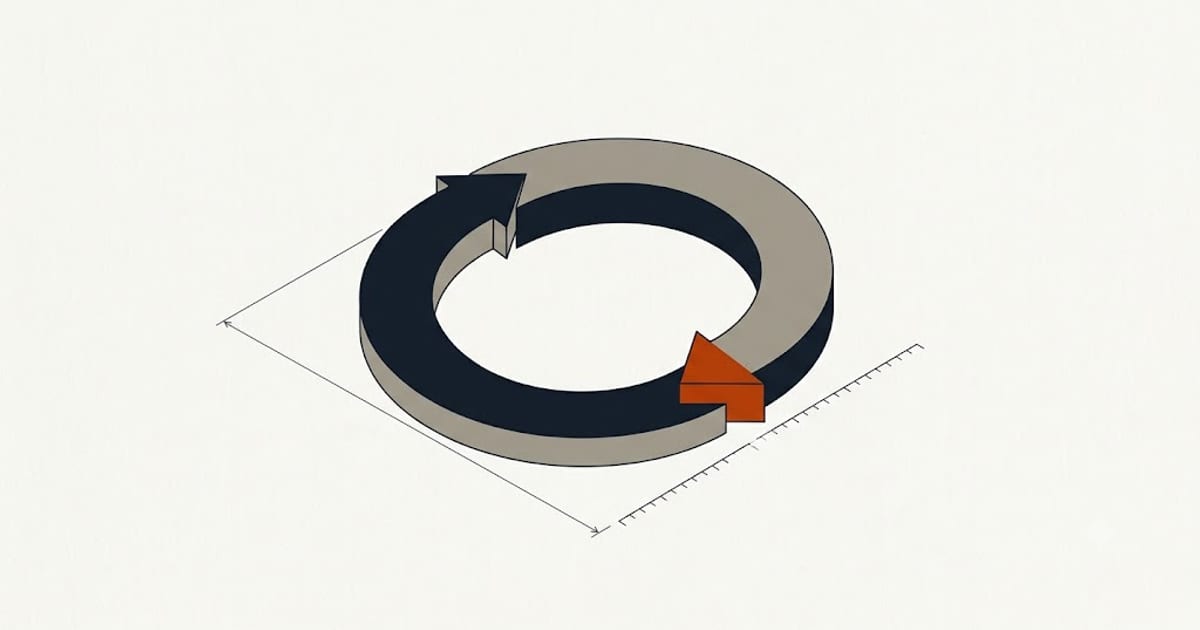
In heating, the outdoor coil is the cold part of the system. It sits below the outdoor air temperature, and when the air is damp, moisture condenses on it and freezes.
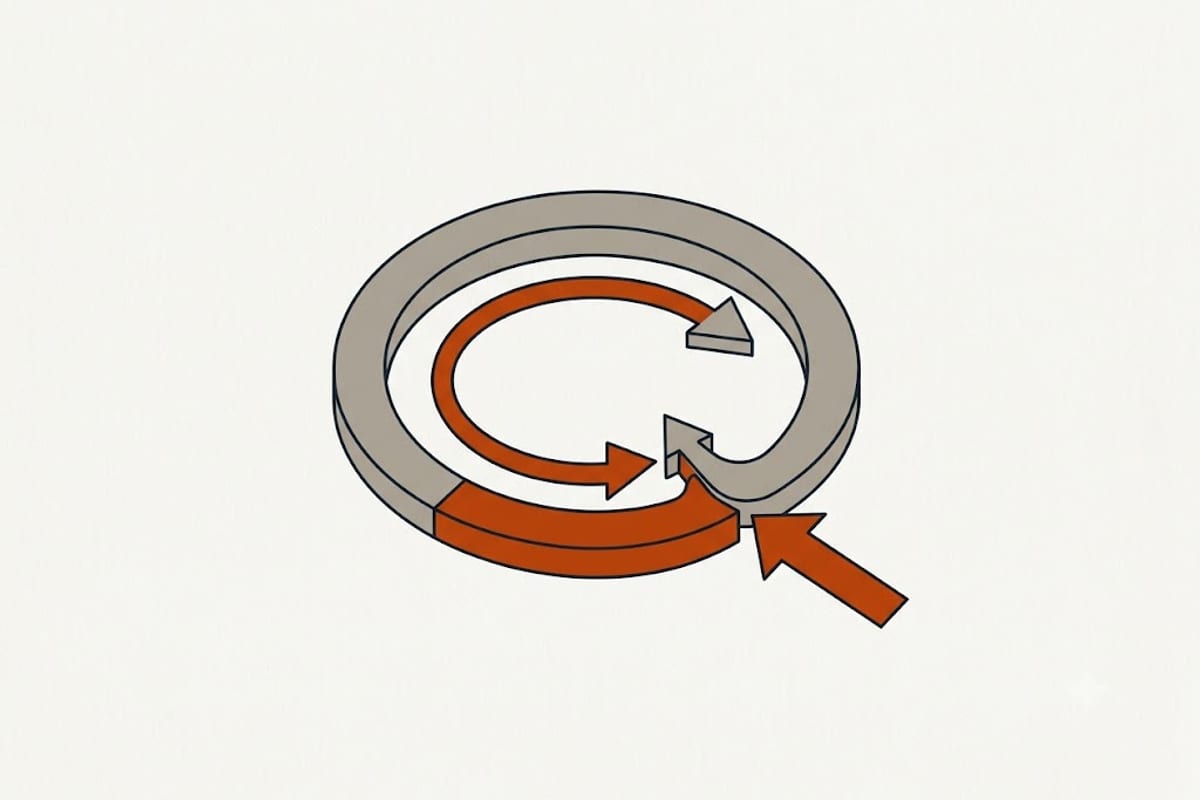
What frost does
A layer of frost insulates the coil and blocks airflow through it, so the system extracts less heat from the outdoor air and its capacity falls.
Left alone the coil would ice solid and the unit would stop heating entirely.
The defrost cycle
The system reverses briefly, running as an air conditioner. Hot refrigerant flows to the outdoor coil and melts the ice.
While that happens:
The outdoor fan stops, so the heat stays at the coil.
The head's fan usually stops or slows, because the indoor coil is now cold and blowing that air into the room would be unpleasant.
Steam rises from the outdoor unit as the ice melts and evaporates.
Water runs off the coil and freezes below it if there is nothing to carry it away.
A cycle lasts a few minutes and then the system returns to heating.
Why it looks like a fault
The combination is alarming the first time — a stopped fan, visible steam, and a room that has stopped being heated.
It is normal, it is frequent in damp weather near freezing, and it is the reason a ductless heat pump's real output in those conditions is below its steady-state rating.
When it is worth investigating
Very frequent defrosts — several an hour, sustained — suggest a control or a sensor problem, or an outdoor unit with restricted airflow.
Ice building up on the base of the outdoor unit rather than draining away, which is a mounting and drainage problem rather than a defrost problem.
Ice on the top or the fan guard, which suggests water dripping from above rather than the unit's own condensate.
A defrost that never ends, leaving the unit cold, which is a fault.
Frost at particular temperatures
Frosting is worst near freezing with high humidity — around 25 to 35°F — because that is where the air holds the most moisture that will condense on a coil below it.
In very cold, dry conditions there is far less moisture in the air and defrost cycles become less frequent, which is why a unit can behave better at 5°F than at 30°F in a damp climate.
Mounting to survive it
The outdoor unit must be raised — on a wall bracket or a stand — clear of expected snow and clear of the ice that its own defrost water produces.
A drain pan with a heater is available and is genuinely useful in a cold, damp climate, since the alternative is the base pan filling with ice over the season.
The unit must also be clear of a roofline that sheds snow onto it, and clear of the drip line of an unguttered eave.
Demand defrost
Older controls initiated defrost on a timer regardless of whether the coil needed it, which wastes heat and interrupts heating unnecessarily.
Demand-based defrost measures coil condition and runs only when required. It is a meaningful real-world efficiency difference in a damp cold climate and it is worth asking about when comparing models.
What the occupant should do
Nothing during a defrost cycle. Changing the setting or switching the unit off mid-cycle interrupts it and can leave ice on the coil.
The useful maintenance is keeping the outdoor unit clear — of snow drifts, of leaves, of anything stacked against it — so it has the airflow it needs when it goes back to heating.