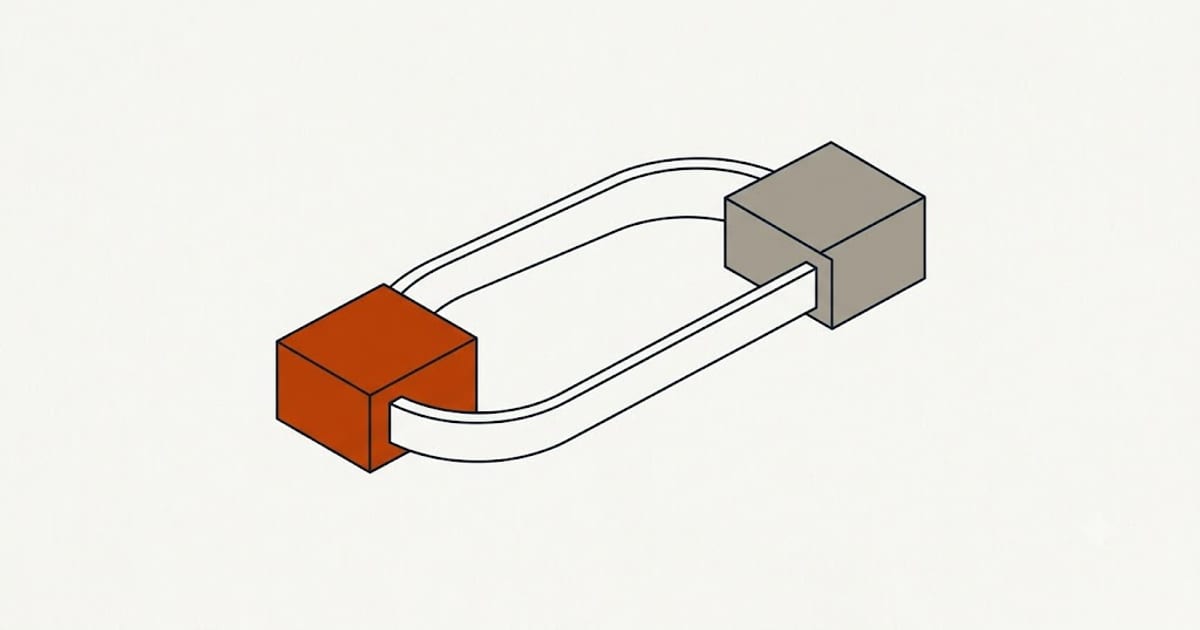
A ductless system connects its indoor and outdoor units with two insulated copper refrigerant lines, a condensate drain and a control cable, run together as a bundle.
The published limits
Every model has a maximum total line length and a maximum height difference between the indoor and outdoor units, and multi-zone systems have limits per branch as well as in total.
Typical single-zone figures run to a few tens of feet with a smaller allowed vertical rise. Multi-zone systems allow longer totals with limits on each branch.
Exceeding them costs capacity, can compromise oil return to the compressor, and places the installation outside its listing.
Length costs capacity
Even within the limits, a long run loses capacity — refrigerant lines have pressure drop and they exchange heat with their surroundings.
Manufacturers publish a correction factor by length, and beyond a threshold they also specify an additional refrigerant charge per foot.
That extra charge is a step that gets skipped. A long line set left at factory charge is undercharged, which shows up as poor performance that gets blamed on the equipment.
Flare connections
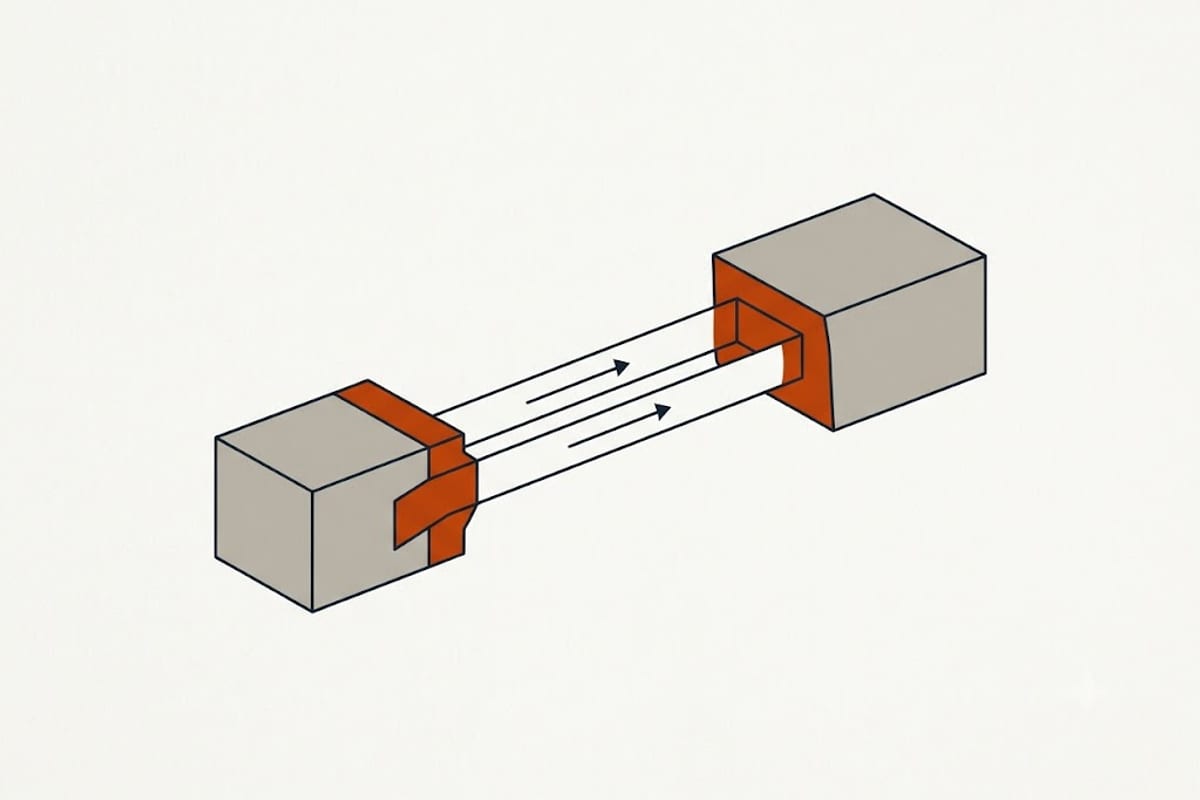
Ductless line sets are joined with flare fittings — the copper tube is flared into a cone and clamped against a fitting by a nut.
Done well, with the correct flaring tool, a clean cut, deburring, and tightened to the specified torque, a flare is reliable.
Done badly it is a slow leak that empties the system over a year or two, and by then the installer is long gone. Symptoms are gradually declining performance, then a system that will not cool at all.
Torque wrenches matter here. Overtightening cracks the flare; undertightening leaks. Manufacturers publish torque values for each line size, and their use is the difference between a joint that lasts and one that does not.
Evacuation
Before the refrigerant is released into the lines, the lines must be evacuated with a vacuum pump to remove air and moisture.
Moisture in a refrigerant circuit forms acids that attack the compressor windings from the inside. The damage is slow and invisible and it ends the equipment years early.
A proper evacuation is verified with a micron gauge and a decay test — the vacuum is pulled to a target, the pump is isolated, and the reading is watched to confirm it holds.
Asking for the final micron reading is the single most useful question to put to a ductless installer, because it is the step that costs time and is invisible afterwards.
Insulation
Both lines are insulated, and the insulation must be continuous, including at the fittings and through the wall penetration.
Gaps produce condensation on the cold line, which drips inside a wall. This is a common cause of stains appearing on a ceiling months after an installation that seemed fine.
Exterior insulation also needs UV protection, which is what the line hide or a wrap provides. Bare foam insulation in sunlight degrades within a few seasons.
The wall penetration
Drilled with a slight downward slope to the outside so water runs out rather than in, sleeved, and sealed on both sides.
A penetration sealed only on the outside lets warm humid air into the wall cavity, and one with no slope is a direct path for driven rain.
The condensate line
It runs in the same bundle and it works by gravity, so it needs a consistent fall from the head to the discharge point.
A sag or a rise anywhere in the run holds water. Where gravity cannot be achieved, a small condensate pump is fitted at the head — which works, and adds a component that eventually fails.
What to ask for
The line set length used against the manufacturer's maximum, the additional charge added if any, the final micron reading, and confirmation that flares were torqued to specification.
Four answers, and they describe the parts of the installation that determine whether the equipment reaches its expected life.