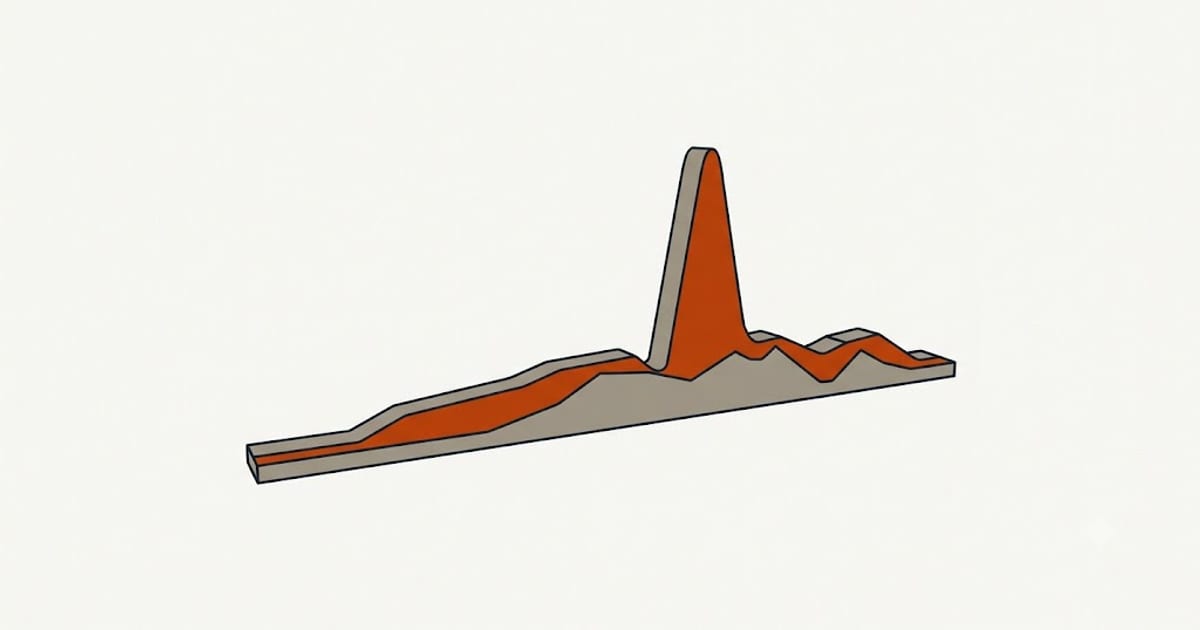
Estimating the running cost of an inverter-driven ductless system by multiplying its rated power by the hours it runs gives an answer that is far too high.
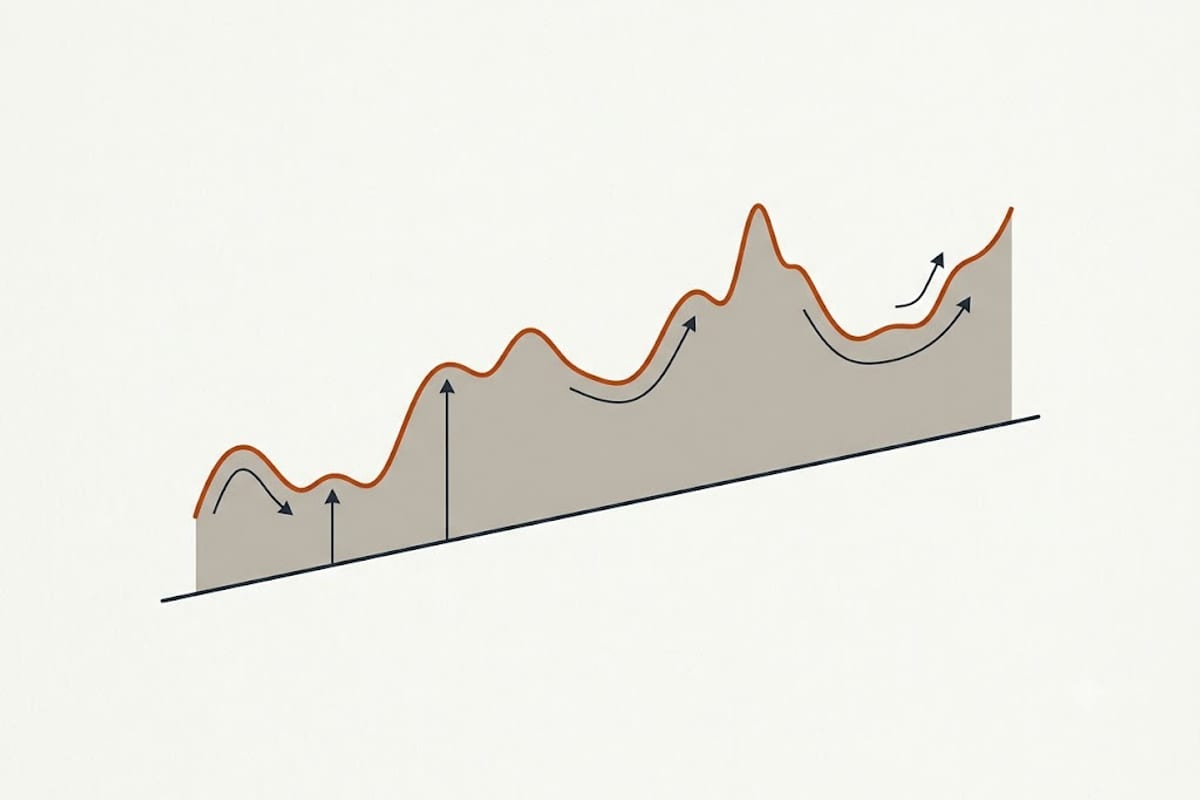
Why the simple calculation fails
A fixed-speed appliance is either drawing its rated power or nothing. An inverter unit varies its output continuously and spends most of its life at a fraction of its maximum.
A 12,000 BTU head with a maximum draw of around 1,100 watts may be drawing 250 watts on a mild afternoon, holding the room steadily.
Rated power describes the design condition, which occurs on a handful of days a year.
Cooling, using SEER2
seasonal kWh = (BTU per hour × hours) ÷ (SEER2 × 1000)
SEER2 is a seasonal average that already accounts for part-load operation across a range of conditions, which is exactly what makes it the right figure here.
For a rough annual figure, use the room's cooling load rather than the head's rating, and the local cooling hours.
Heating, using COP at the temperature that matters
HSPF2 is the seasonal equivalent for heating, and it averages across the whole season including mild days.
For a cold climate, the more informative figure is COP at the design temperature, from the manufacturer's extended table:
kW input = BTU per hour needed ÷ (COP × 3412)
A unit delivering 12,000 BTU/h at a COP of 2.5 draws about 1.4 kW. The same unit at a COP of 1.5 on a much colder day draws 2.3 kW for the same heat.
That difference is the whole story of a cold-climate heat pump's winter bill, and the seasonal figure hides it.
Against other fuels
Convert everything to dollars per million BTU delivered:
$/MMBTU = (price per unit ÷ BTU per unit) × 1,000,000 ÷ efficiency
with COP as the efficiency for a heat pump, AFUE for a furnace, and 1.00 for electric resistance.
Against electric resistance the heat pump wins by a factor of two to three and the comparison is not close. Against propane it usually wins. Against cheap natural gas it depends on the local ratio of electricity to gas prices.
What raises the bill more than the equipment rating
Oversizing, which forces cycling instead of steady low-output running.
High fan speeds, which cost fan power and reduce dehumidification.
Leaving unused rooms conditioned, which is precisely the waste per-room control exists to avoid.
A very low setpoint, since each degree costs real energy.
Dirty filters and a blocked outdoor coil, both of which make the compressor work harder for the same result.
Time-of-use rates
Electricity is increasingly sold at different prices through the day, and a heat pump running through a cold morning peak is being charged at the highest rate of the day.
Where such a tariff applies, pre-heating slightly before the peak and coasting through it can reduce the bill without any change to the equipment. Whether that is worth the complexity depends on how wide the peak differential is.
Measuring rather than estimating
An inexpensive energy monitor on the circuit gives the actual figure for the actual house, which no calculation will match.
For a household deciding whether to extend a ductless system to more rooms, a season of real data from the first head is far better evidence than any estimate.
Standby draw
An inverter outdoor unit is never entirely off. It keeps its control board alive and, in cold weather, may run a crankcase heater to keep refrigerant out of the compressor oil.
The figure is small — a few watts to a few tens of watts — and it is continuous, so over a year it is not nothing. It is also the reason a system switched off at the handset still shows a draw on a circuit monitor, which is normal rather than a fault.
Isolating the circuit in the off season saves that draw and gives up the crankcase heater, which is a bad trade in a climate where the unit may be needed at short notice.