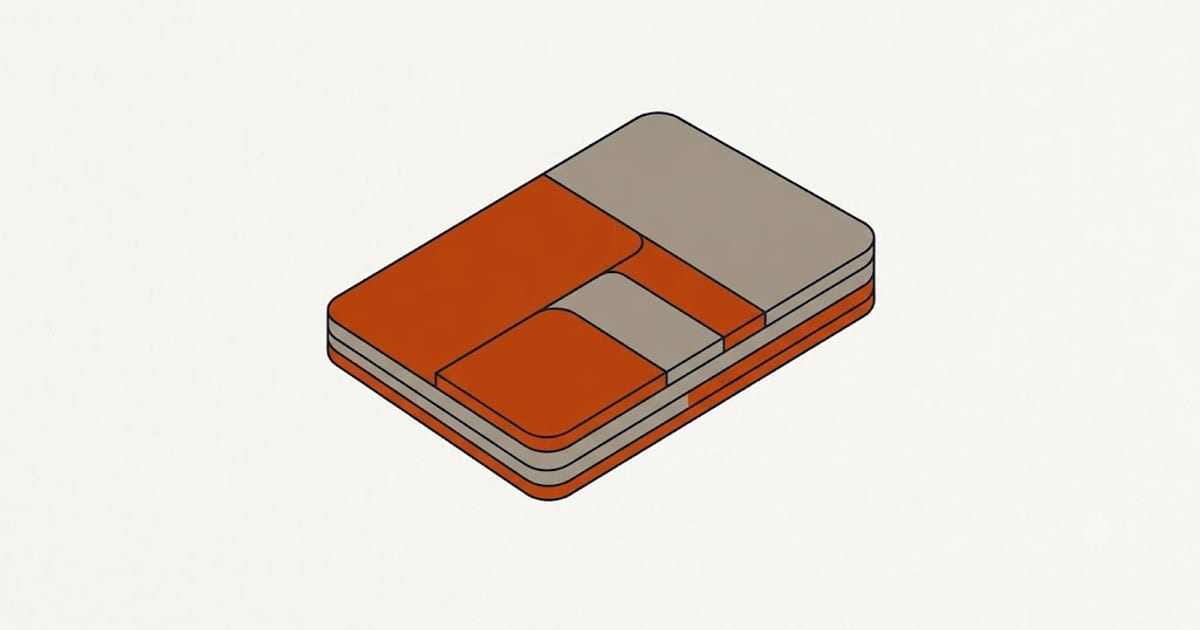
Ductless systems are reliable and long-lived, and they have one maintenance requirement that central systems do not: every head is an air handler sitting in a living space.
Expected life
Well-installed ductless equipment commonly runs 15 to 20 years, and coastal installations less because of salt corrosion on the outdoor coil.
The two things that shorten it most are a poor evacuation at installation, which admits moisture that attacks the compressor slowly, and a refrigerant leak from a badly made flare joint.
Both are decided on the day of installation and neither is visible afterwards, which is why the commissioning questions matter more than the brand.
The filters — monthly, and the owner's job
Each head has washable mesh filters behind the front panel. They lift out, rinse under a tap, dry and go back.
Monthly in heavy use. A clogged filter costs capacity, costs efficiency, and pushes dust past onto the coil where it is much harder to remove.
This is the single most valuable maintenance action on a ductless system and it takes two minutes per head.
The blower wheel and coil — periodically, and not the owner's job
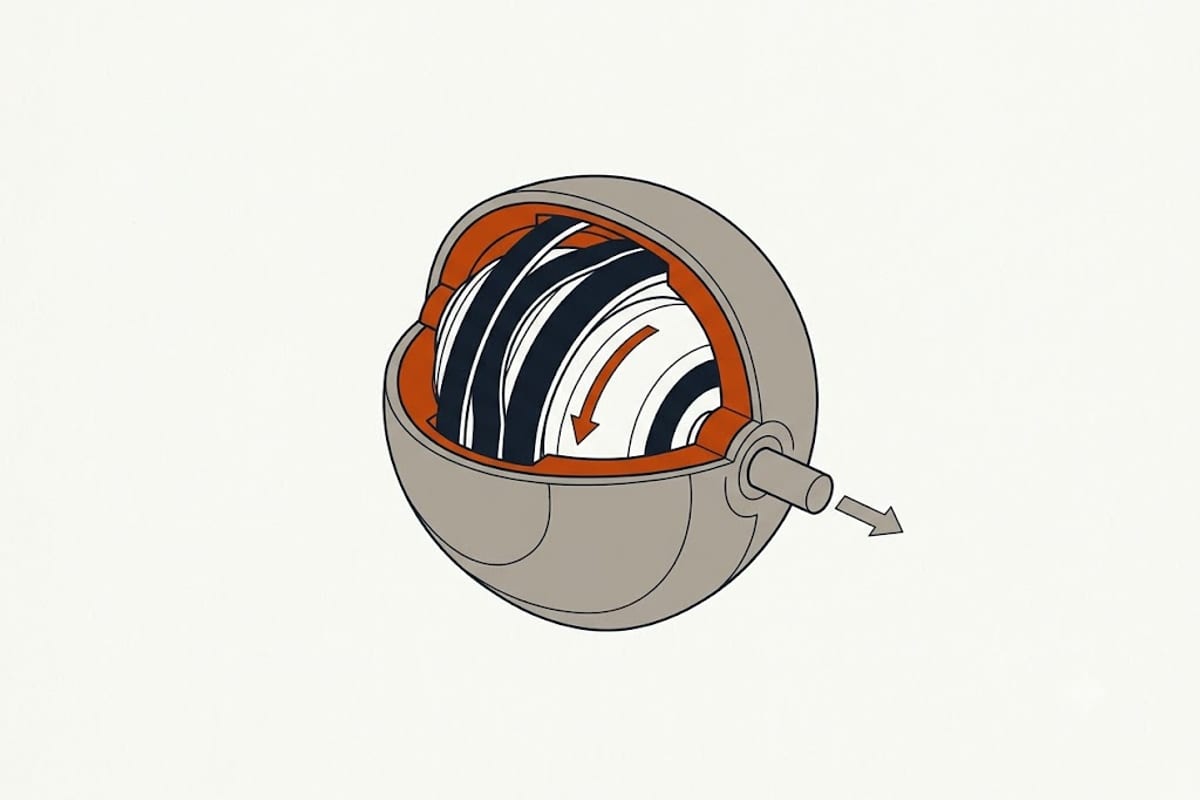
Behind the filter sits the evaporator coil and a long cylindrical blower wheel.
In cooling, that coil is wet. Dust that gets past the filter sticks to it, and the combination of dust and moisture supports biological growth on the coil and in the blower wheel's fins.
That is what produces the musty smell when a head starts up, and it is the most common complaint about ductless systems after a few years.
Cleaning it properly means bagging the head, spraying and rinsing the coil and the wheel, and collecting the runoff. It is a specific service, it takes an hour or so per head, and it is not what a general HVAC visit includes unless asked for.
Every two to three years is a reasonable interval, sooner in a dusty house or a humid climate.
Reducing the growth in the first place
Run the fan-only or dry mode briefly after cooling, which dries the coil. Many units have an automatic version of this and it is often disabled by default.
Do not set the fan to high as a habit, since it drives more dust through.
Keep the filters clean, which is the same point again.
The outdoor unit
Keep the coil clear of leaves, grass clippings and shrubbery, and rinse it gently with a hose once a year.
Keep clearances free — nothing stacked against the sides or the front.
In snow, keep the unit and its base clear so defrost water can drain.
On the coast, rinse the coil more often. Salt attacks aluminium fins, and manufacturers offer coated coils for coastal installations that are worth specifying at purchase.
The condensate line
It runs from each head to the outside and it works by gravity.
Blockages produce water inside the room, which appears at the bottom of the head and runs down the wall. Flushing the line annually prevents it, and where a condensate pump is fitted it should be checked at the same time.
What professional service should include
Coil and blower wheel cleaning where due. Condensate line flush. Refrigerant charge verified by pressures and temperatures rather than by topping up. Electrical connections checked. Outdoor coil cleaned.
A system that needs refrigerant added has a leak. Refrigerant is not consumed. Topping it up without finding the leak is a repeat visit and a slowly failing compressor, and it is worth pressing on this specific point.
The record
Keep the model numbers, the line lengths and the commissioning readings together.
Fifteen years later, a technician asked to diagnose a fault or add a head will need them, and they are almost never written down anywhere else.